

Published: Sunday, October 1, 2023
Author: Michael Kraten, PhD, CPA

A few days ago, almost eight inches of rain fell on New York City in a single day. The deluge imposed massive flooding, sewage back-ups, and other economic costs on the nation’s largest city.
The damage, though, didn’t approach the level of loss that occurred during Hurricane Ida two years ago. Eleven New Yorkers literally drowned in their basement apartments during that catastrophe.
The increasing volatility of the weather is now being attributed to climate change. In a news conference regarding this week’s storm, New York City’s Environmental Protections Commissioner explained “The sad reality is our climate is changing faster than our infrastructure can respond.”
This type of meteorological event represents a risk factor that must be addressed by an increasingly wide array of organizations. After all, torrential rains in a flood zone can wipe out all businesses (both large and small) in a region. Businesses in other regions that rely on the ones in the flooded area can also be adversely affected.
In addition, residents of a flood zone can be displaced for extended periods of time. In an era of remote at-home work arrangements, organizations far from a regionally impacted area can be affected by such rainstorms.
Will current attempts to curtail carbon emissions keep global temperatures sufficiently low to curtail the worst meteorological events? Don’t bet on it. Exxon Mobil’s recent Global Outlook report predicts that a 25% decline in emissions by 2050 will not prevent the planet’s temperature from increasing beyond the Paris Agreement’s 1.5 degree and 2.0 degree thresholds.
Are those thresholds important? The first one, if surpassed, may turn New York City’s occasional deluges into frequent events. The second one, if exceeded, may make significant sections of the City permanently uninhabitable.
Such issues have long been the concerns of long term risk management planners. If you’re choosing where to build a large new industrial complex, for instance, such issues have always been significant to you.
But now, if you’re a mainstream firm of any size that conducts business in – or that relies on companies and employees who are located in – regions that can be impacted by torrential rainstorms, then you may need to add meteorology to your list of volatile risk factors.
And given that the vast majority of all regions currently experience some incidents of heavy rainfall each year, most businesses may now need to update their risk scenario analyses.
Originally published at michaelkraten.blogspot.com. All rights reserved by author.
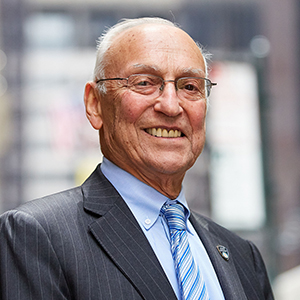 Stanley Goldstein, one of the founders of the Sustainability Investment Leadership Council, launched the accounting firm Goldstein Golub & Kessler (now part of RSM). After the firm was bought, Stanley became a private equity investor and is now the Chairman of Knickerbocker Financial Group. Mr. Goldstein has served on numerous corporate boards and is the founder of American Friends of James Joyce, The New York Hedge Alternative Investment Roundtable and Donors' Forum (a philanthropic roundtable).
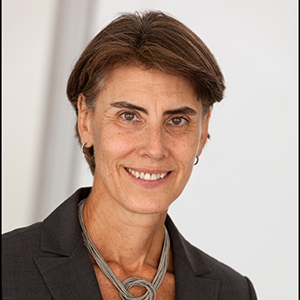 Rebecca Craft
 Andrea Schmitz
 Nidhi Chadda
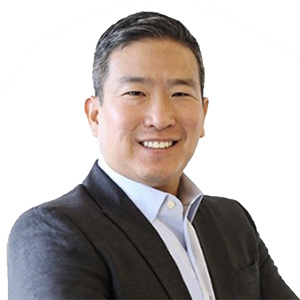 Jeffrey Yin currently serves as the Chief Financial Officer and General Counsel of Artsy (
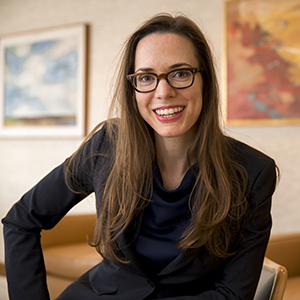 Sarah Tomolonius is the Vice President of Investor Relations at M13, a consumer tech-focused full-service venture capital engine. Ms. Tomolonius is the co-founder of the Sustainability Investment Leadership Council. Ms. Tomolonius served as Vice President, Marketing and Investor Relations for Arlon Group, a food and agriculture investment firm, from December 2012 to June 2018, and served as Senior Professional, Management Reporting & Analytics from December 2010 to December 2012. From October 2008 to December 2010, Ms. Tomolonius served as Associate, Investor Relations for Citi Private Equity, a private equity group that was acquired by StepStone Group in October 2010. From October 2005 to September 2007, Ms. Tomolonius served as Research Analyst, Corporate & Public Affairs Group of Edelman, a global public relations firm. Ms. Tomolonius served as Program Assistant, Water & Coastal Program of Natural Resources Defense Council, a non-profit international environmental advocacy group, from October 2002 to September 2005. Ms. Tomolonius has served as a Director on the Board of Quest Resource Holding Corp. (NASDAQ: QRHC) since 2016 and is a member of the Audit and Nominations & Governance Committees. Ms. Tomolonius also served in numerous board capacities for non-profit organizations, including Chair of the Sustainability Committee for the New York Alternative Investment Roundtable and President of the Board of HeARTs Speak, a nonprofit organization, from February 2014 to February 2017, and she remains a board member for the organization.
 Mohita Sinha serves as the Co-Chair of SILC’s Education Committee. With extensive experience leading complex finance and risk regulatory reporting transformations at global financial institutions, Mohita helps organizations evolve from voluntary action to regulatory compliance to true value creation. Her current focus is on climate risk integration, guiding companies to understand, operationalize, and embed risk considerations into business strategy while meeting compliance requirements.
 Jessica Moon, Education Co-Chair, is a strategic leader at the Sustainable Investment Leadership Council (SILC), where she champions the integration of sustainability into core business and investment strategies. She designs and leads convenings that unite leading cross-sector professionals in critical dialogues focused on unlocking sustainable financial returns through innovative solutions. With over two decades of experience, Jessica brings a unique perspective, combining her legal acumen with deep sustainability expertise and a holistic understanding of the interconnectedness of business functions. Her leadership at Scholastic Inc., where she pioneered their ESG & Sustainability function, demonstrates her ability to develop and implement strategies that drive both environmental and financial value. Jessica empowers leaders to see sustainability as a key driver of strategic advantage and long-term financial success, fostering a future where impact and returns are intrinsically linked.
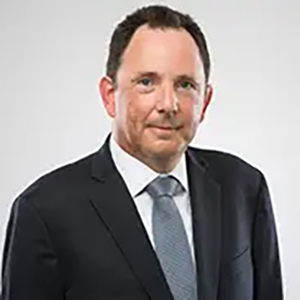 Dr. Michael Kraten is an executive management consultant and business educator. He maintains specialties in entrepreneurship, business modeling, decision analysis, sustainability and resilience, educational gaming, strategic planning, valuation, risk management, and forensic analysis.
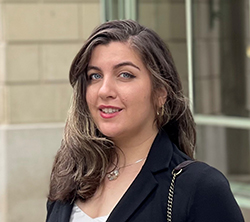 Sophia Shahabadi
 As a Managing Director at Silver Leaf Partners and sustainable finance subject matter expert, Marc Tannous established the Sustainable Finance Practice as a service organization to represent managers and companies seeking alpha by scaling sustainability / impact solutions. The Practice provides capital introduction, customer referral, and advisory consulting.
  Sydney Improta
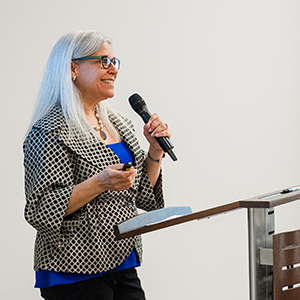 As a coach, facilitator and consultant, Deborah Goldstein works with NY, U.S. and international organizations and individuals who are motivated to thrive in the 21stcentury workplace environment.
 Jason Dodier is an American international business professional at Schneider Electric, which is the global specialist in energy management. Since commencing his career with Schneider Electric, Jason has lived in the United States, Middle East and Europe, while performing a variety of functions on behalf of the company in operations, business development, marketing and sales management. Jason is currently a Corporate Ambassador for electrical distribution, communications technology, sustainability, and innovation, activity on social media and delivering speeches on these topics worldwide.
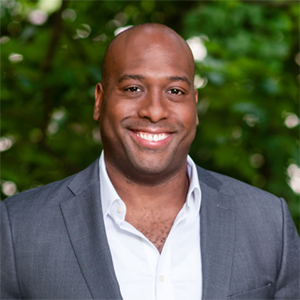 Fitzgerald Angrand is a transactional attorney specializing in debt finance and alternative investments in the cannabis industry, representing investors, private equity funds, private debt funds, family offices, distressed debt funds, lenders and operating companies.
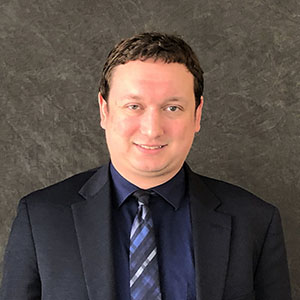 Matthew Levy is a Manager with PKF O’Connor Davies in the Not-for-Profit Services Group. He is a CPA and has been with PKFOD since 2012. He graduated from Lehigh University with a Bachelor of Science in Accounting. He currently serves as the treasurer of the Sustainability Investment Leadership Council.
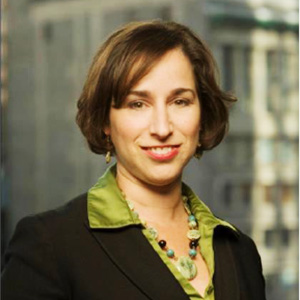 Heather Loebner leads Sustainability and ESG strategy at CircleIT, a B Corporation in the IT Asset Disposition (ITAD) industry. Sustainability plays a critical role at CircleIT, focused on repurposing IT devices at end-of-life and eliminating e-waste aligned with a circular economy model. Loebner leads an internal and client-facing ESG strategy that increases transparency, establishes a path to carbon neutrality and net zero, and builds social and environmental impact through strong governance aligned with B Corporate values and certification.
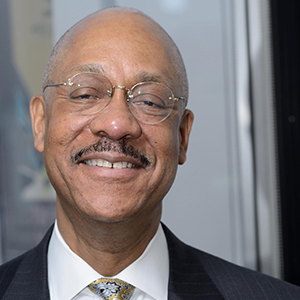 J. Michael Kirkland, CPA, CGMA is a veteran financial executive with over 30 years of experience in accounting, industry, consulting, and business development. He also serves the CPA profession with distinction, lending strong and visible leadership to professional and student groups.